

What are the typical packaging materials for perfume bottles?
Dec 12, 2025
Leave a message
As a perfume bottle supplier, I've had the privilege of delving deep into the world of perfume packaging. The choice of packaging materials for perfume bottles is a crucial aspect that not only affects the product's aesthetics but also its preservation and marketability. In this blog, I'll explore the typical packaging materials used for perfume bottles, highlighting their characteristics, advantages, and applications.
Glass
Glass is by far the most common and preferred material for perfume bottles. Its transparency allows consumers to see the perfume's color and level, which can be an important factor in the purchasing decision. Glass is also inert, meaning it doesn't react with the perfume's chemicals, ensuring the fragrance remains pure and unaltered over time.
There are different types of glass used in perfume bottle manufacturing. Soda-lime glass is the most economical option and is widely used for mass-produced perfume bottles. It has good clarity and is relatively easy to shape. Borosilicate glass, on the other hand, is more heat-resistant and is often used for high-end or specialty perfumes. It can withstand higher temperatures without cracking or warping, making it suitable for perfumes that may be exposed to extreme conditions.
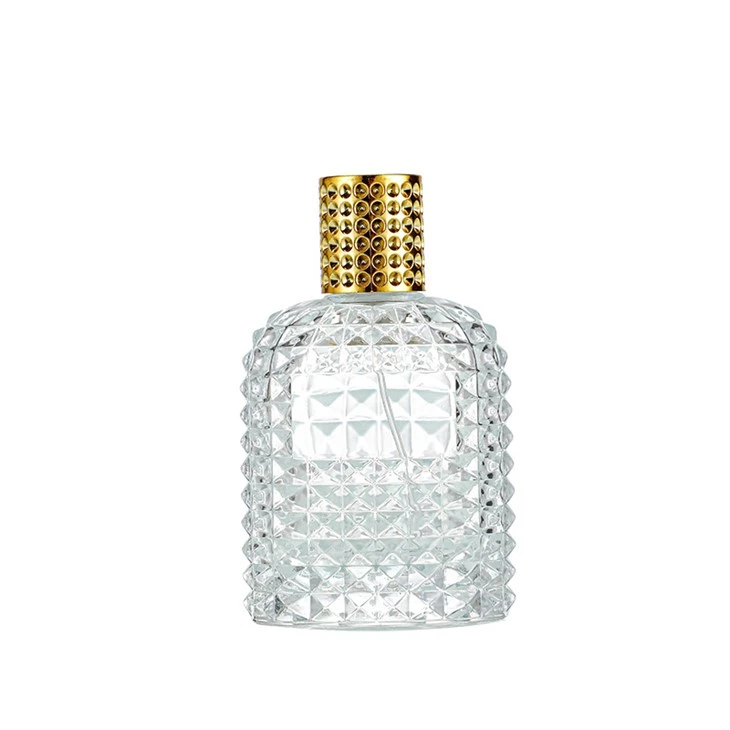
One of the key advantages of glass is its ability to be molded into various shapes and sizes. From classic round bottles to Creative Pineapple And Diamond Perfume Bottle, glass can be crafted to meet the most creative design concepts. Glass can also be decorated with various techniques, such as etching, frosting, and labeling, to enhance its visual appeal.
Plastic
Plastic is another popular material for perfume bottles, especially for lower-cost or travel-sized perfumes. Plastic is lightweight, shatterproof, and relatively inexpensive to produce. It can be molded into a wide range of shapes and colors, making it a versatile option for perfume packaging.
There are different types of plastics used in perfume bottle manufacturing, including polyethylene terephthalate (PET), polypropylene (PP), and acrylonitrile butadiene styrene (ABS). PET is a clear, strong, and lightweight plastic that is commonly used for perfume bottles. It is also recyclable, which makes it an environmentally friendly option. PP is a more flexible plastic that is often used for squeeze bottles or containers with a soft-touch finish. ABS is a strong and durable plastic that is commonly used for perfume caps and closures.
One of the main disadvantages of plastic is its permeability to oxygen and moisture. Over time, this can cause the perfume to oxidize and lose its fragrance. To overcome this issue, plastic bottles are often coated with a barrier layer to prevent oxygen and moisture from entering. Another disadvantage of plastic is its lower perceived value compared to glass. Plastic bottles are often associated with lower-quality or budget perfumes, which may not be suitable for high-end or luxury brands.
Metal
Metal is a less common but still important material for perfume bottles. Metal bottles are often used for high-end or luxury perfumes, as they convey a sense of quality and exclusivity. Metal is also durable and can protect the perfume from damage.
There are different types of metals used in perfume bottle manufacturing, including aluminum, stainless steel, and brass. Aluminum is a lightweight and corrosion-resistant metal that is commonly used for perfume cans and aerosol containers. Stainless steel is a strong and durable metal that is often used for perfume caps and closures. Brass is a more expensive metal that is commonly used for decorative elements on perfume bottles, such as labels and accents.
One of the main advantages of metal is its ability to be engraved and embossed. This allows for intricate designs and branding to be added to the bottle, enhancing its visual appeal. Metal can also be finished with various coatings, such as chrome, gold, and silver, to give it a luxurious look and feel.
Wood
Wood is a unique and natural material that is sometimes used for perfume bottles. Wood bottles are often used for high-end or artisanal perfumes, as they convey a sense of warmth and authenticity. Wood is also a renewable resource, which makes it an environmentally friendly option.
There are different types of wood used in perfume bottle manufacturing, including oak, mahogany, and cherry. Each type of wood has its own unique grain pattern and color, which can add to the bottle's visual appeal. Wood bottles are often lined with a glass or plastic insert to prevent the perfume from coming into contact with the wood and causing it to deteriorate.

One of the main advantages of wood is its ability to age gracefully. Over time, the wood will develop a patina, which can enhance its beauty and character. Wood can also be carved and shaped into various designs, allowing for a high level of customization.
Conclusion
In conclusion, the choice of packaging materials for perfume bottles depends on a variety of factors, including the type of perfume, the target market, and the brand's image. Glass is the most common and preferred material for perfume bottles, as it offers a combination of transparency, inertness, and versatility. Plastic is a popular option for lower-cost or travel-sized perfumes, as it is lightweight, shatterproof, and relatively inexpensive to produce. Metal is a less common but still important material for perfume bottles, as it conveys a sense of quality and exclusivity. Wood is a unique and natural material that is sometimes used for high-end or artisanal perfumes, as it conveys a sense of warmth and authenticity.
As a perfume bottle supplier, I offer a wide range of packaging materials and designs to meet the needs of my clients. Whether you're looking for a classic glass bottle or a unique Octagonal perfume bottle, I can help you find the perfect packaging solution for your perfume. If you're interested in learning more about our products or would like to discuss your packaging needs, please don't hesitate to contact me. I look forward to working with you to create a packaging solution that will make your perfume stand out in the market.
References
- "Perfume Packaging: Materials and Design Trends" by Packaging Digest
- "The Art of Perfume Packaging" by FragranceNet.com
- "Choosing the Right Packaging for Your Perfume" by Cosmetics Design