

How long can cream be stored in a transparent glass cream bottle?
Jan 15, 2026
Leave a message
Hey there! As a supplier of transparent glass cream bottles, I often get asked about how long cream can be stored in these nifty containers. It's a great question, and the answer isn't as straightforward as you might think. Let's dive into the factors that affect cream storage and find out the optimal time frames for keeping your creams fresh in our transparent glass bottles.
Factors Affecting Cream Storage
First off, let's talk about what can impact how long cream lasts in a transparent glass bottle. There are a few key things to consider, and understanding these factors will help you make the most of your creams and our bottles.
1. Ingredients in the Cream
The type of ingredients in the cream plays a huge role in its shelf life. Creams that contain natural ingredients like plant extracts, essential oils, and vitamins are generally more prone to spoilage. These natural components can break down over time, especially when exposed to light, heat, and air. On the other hand, creams with synthetic ingredients tend to have a longer shelf life because they are more stable and less likely to react with their environment.
For example, a moisturizing cream with a high percentage of shea butter and aloe vera might not last as long as a cream with a lot of silicone and parabens. The natural ingredients in the first cream are more likely to oxidize and go bad, while the synthetic ingredients in the second cream are designed to resist degradation.
2. Exposure to Light
One of the biggest enemies of cream stored in a transparent glass bottle is light. Light, especially sunlight, contains ultraviolet (UV) rays that can break down the chemical bonds in the cream. This can lead to a change in the cream's texture, color, and smell, and it can also reduce its effectiveness.
That's why it's important to store your creams in a cool, dark place. If possible, keep them in a cabinet or drawer away from direct sunlight. However, if you're using a transparent glass bottle, some light will still get through. To minimize the damage, you can choose a bottle with a tinted or opaque cap, or you can wrap the bottle in a dark cloth.
3. Exposure to Air
Air is another factor that can affect the shelf life of cream. When cream is exposed to air, it can react with oxygen, causing oxidation. Oxidation can lead to the formation of free radicals, which can damage the cream's ingredients and make it less effective. It can also cause the cream to develop an unpleasant smell and taste.
To reduce the amount of air that comes into contact with the cream, make sure to close the bottle tightly after each use. You can also choose a bottle with a pump dispenser, which helps to minimize air exposure.
4. Temperature
Temperature is also an important factor to consider. Creams should be stored at a cool, consistent temperature. High temperatures can cause the cream to melt, separate, or spoil, while low temperatures can cause the cream to become thick and difficult to use.
The ideal temperature for storing cream is between 50°F and 77°F (10°C and 25°C). Avoid storing creams in places that are too hot, such as near a heater or in direct sunlight, or too cold, such as in a freezer.
How Long Can Cream Be Stored in a Transparent Glass Bottle?
Now that we've talked about the factors that affect cream storage, let's get to the question of how long cream can actually be stored in a transparent glass bottle. The answer depends on a few things, including the type of cream, the storage conditions, and the quality of the bottle.
1. Shelf Life of Different Types of Creams
- Moisturizing Creams: Moisturizing creams typically have a shelf life of about 6 to 12 months. These creams are designed to hydrate the skin and prevent moisture loss, and they usually contain a combination of natural and synthetic ingredients.
- Anti-Aging Creams: Anti-aging creams often have a shorter shelf life of about 3 to 6 months. These creams contain active ingredients like retinol, vitamin C, and peptides, which can break down over time and lose their effectiveness.
- Eye Creams: Eye creams have a shelf life of about 3 to 6 months as well. These creams are formulated specifically for the delicate skin around the eyes, and they usually contain ingredients like hyaluronic acid, caffeine, and antioxidants.
2. Impact of Storage Conditions
As we mentioned earlier, the storage conditions can have a big impact on the shelf life of cream. If you store your cream in a cool, dark place and minimize its exposure to air and light, it will last longer. On the other hand, if you store your cream in a hot, sunny place or leave the bottle open for long periods of time, it will spoil more quickly.
For example, if you store a moisturizing cream in a transparent glass bottle in a cabinet away from sunlight and close the bottle tightly after each use, it might last for the full 12 months. However, if you leave the same cream on a windowsill in direct sunlight and don't close the bottle properly, it might only last for a few weeks.
3. Quality of the Bottle
The quality of the bottle can also affect the shelf life of cream. A high-quality transparent glass bottle will have a tight seal and will be made of thick, durable glass. This will help to prevent air and light from getting into the bottle and will keep the cream fresh for longer.
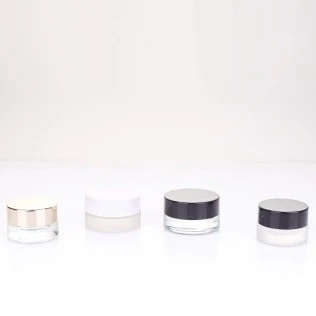
At our company, we offer a range of high-quality transparent glass cream bottles, such as the 5ml Transparent Eye Cream Bottle Cosmetic Bottle Glass Bottle and the 45ml Transparent Cream Bottle Cosmetic Bottle Glass Bottle. These bottles are made of thick, clear glass and have a tight-fitting cap to keep your cream fresh and protected.
Tips for Extending the Shelf Life of Cream in a Transparent Glass Bottle
If you want to make your cream last as long as possible in a transparent glass bottle, here are some tips to keep in mind:
- Store in a Cool, Dark Place: As we mentioned earlier, light and heat can cause the cream to spoil more quickly. So, make sure to store your cream in a cool, dark place, such as a cabinet or drawer.
- Keep the Bottle Closed Tightly: Air can cause the cream to oxidize and spoil, so make sure to close the bottle tightly after each use.
- Use a Clean Spatula: When you're scooping out the cream, use a clean spatula to avoid introducing bacteria into the bottle.
- Don't Overfill the Bottle: Leave some space at the top of the bottle to allow for expansion and to reduce the amount of air that comes into contact with the cream.
- Check the Expiration Date: Always check the expiration date on the cream before using it. If the cream has expired, it's best to throw it away.
The Role of Different Bottle Colors
While transparent glass bottles are popular for their aesthetic appeal, it's worth mentioning that the color of the bottle can also affect the shelf life of the cream. For example, Black Glass Cream Bottle can provide better protection against light compared to transparent ones. The black color blocks out most of the UV rays, reducing the risk of oxidation and degradation of the cream's ingredients.
If you're dealing with creams that are particularly sensitive to light, such as those with high concentrations of antioxidants or natural extracts, a black glass bottle might be a better choice. However, transparent glass bottles still have their advantages, like allowing you to easily see the amount of cream left in the bottle and the product's color and texture.

Conclusion
In conclusion, the shelf life of cream stored in a transparent glass bottle can vary depending on the type of cream, the storage conditions, and the quality of the bottle. By understanding the factors that affect cream storage and following the tips we've discussed, you can help to extend the shelf life of your creams and keep them fresh and effective for as long as possible.
If you're in the market for high-quality transparent glass cream bottles, we'd love to hear from you. We offer a wide range of sizes and styles to meet your needs, and our bottles are made of the highest quality materials to ensure the best possible protection for your creams. Contact us today to discuss your requirements and start a partnership for your cosmetic packaging needs.
References
- Cosmetic Ingredient Review (CIR) Expert Panel. (Year). Safety assessment of various cosmetic ingredients.
- European Commission. (Year). Cosmetics Regulation (EC) No 1223/2009.
- American Society for Testing and Materials (ASTM). (Year). Standards for packaging materials and testing methods.